


In short
- Istanbul in winter is cool and wet rather than cold: typical highs of 9–11°C and lows of 3–5°C from December to February, with rain in most weeks.
- The days are short. Around the solstice there are only a little over nine hours of daylight, with sunset at about 5.40 pm, so plan sightseeing for the morning.
- Winter is the season for the indoor city: Hagia Sophia, the Basilica Cistern, Topkapı Palace, the covered bazaars, museums, hammams and long dinners.
- Snow is occasional, not reliable. A few days in most winters, usually in January or February. For certain snow, go to Uludağ above Bursa or Kartepe near Sapanca.
Istanbul in winter is a different city from the one in the postcards. From December to February the sky is often grey, the streets are wet and the sun sets before six. But the queues at Hagia Sophia shrink, the hammams feel exactly right, and the city goes back to the people who live in it. With the right plan, it is one of the most rewarding times to come.
Our guide to the best time to visit Istanbul covers the whole year. This one goes deeper into the three winter months: what the weather is really like, what to do on short and rainy days, the Bosphorus out of season, New Year's Eve, snow and what to pack.
Is Istanbul worth visiting in winter?
Yes, for travellers who come for the city itself. Winter is the quietest season at the great monuments, hotel rates are generally lower than in spring and summer, and much of what Istanbul does best happens indoors: mosques and palaces, bazaars, museums, hammams and long dinners. It is not the season for swimming, rooftop evenings or lazy days on the islands.
The trade is simple: you give up warmth and long evenings, and you see Topkapı Palace or the Basilica Cistern without the summer crowds. For a second visit or a city break built around food and culture, winter often suits better than May.
Istanbul in winter: what the weather is really like
Istanbul's winters are cool, damp and changeable rather than truly cold. Wind from the Black Sea brings the cold spells and the occasional snow; southerly winds bring mild, almost spring-like days, sometimes in the same week. The figures below are rounded long-term averages and match those in our month-by-month guide.
| Month | Typical high / low | Rain | Daylight | What to expect |
|---|---|---|---|---|
| December | 11°C / 5°C | Frequent | About 9 hours | Grey, mild days; festive hotels; New Year's Eve |
| January | 9°C / 3°C | Frequent | 9–10 hours | The coldest month; the best chance of snow |
| February | 9°C / 3°C | Frequent | 10–11 hours | Cold spells and mild days; Ramadan begins in 2027 |
Rain falls on many days, often light and passing. The wind matters more than the thermometer: 8°C on a calm day in Sultanahmet feels pleasant, while 8°C on a ferry deck in a northerly wind feels much colder.
Istanbul in December, January and February
Istanbul in December
December is the mildest winter month and the most sociable. Hotel lobbies and shopping streets are decorated for New Year, and the last weeks of the year are busier than the rest of the season. Christmas is not a public holiday in Türkiye, so museums, shops and offices work as normal on 25 December. The days are at their shortest, with sunset at around 5.40 pm.
Istanbul in January
January is the coldest and quietest month. New Year's Day is a public holiday, and after it the city settles into its winter rhythm. It is the best month to see the great monuments with few people around, and the most likely month for snow. Pack for cold, wet days and you will have Istanbul almost to yourself in the first hour after opening.
Istanbul in February
February is changeable: a cold, snowy week can be followed by days warm enough to sit outside at lunch. The light is noticeably longer by the end of the month. In 2027, Ramadan is expected to begin around 8 February, which changes the rhythm of the city in the evenings. Our guide to Ramadan in Istanbul explains what that means for visitors.

Does it snow in Istanbul?
Sometimes. Most winters bring a few days of snow, usually in January or February, and it rarely stays on the ground for long in the centre. Some winters bring almost none. When a heavy fall does arrive, it can stop traffic, delay flights and close schools for a day or two, and the city looks remarkable under it: the domes of Sultanahmet white, the ferries crossing a grey Bosphorus.
The practical advice is to enjoy it if it comes, and to leave extra time for airport transfers when snow is forecast. Snow in Istanbul is never something to plan a trip around. For snow you can count on, look a few hours away instead, as we explain below.
What to do in Istanbul in winter
The best winter days in Istanbul are planned in the morning and finished indoors. Sightsee from opening time, when the light is best and the crowds thinnest, and keep the afternoon for things that are better under a roof.
- The great monuments. Hagia Sophia, the Blue Mosque, the Basilica Cistern and Topkapı Palace are calmer in winter than at any other time. Many palaces and museums move to shorter winter hours, so check last entry times. Our guides to visiting Hagia Sophia and Topkapı Palace cover tickets and timing.
- The covered bazaars. The Grand Bazaar (closed on Sundays) and the Spice Bazaar are warm, dry and lively on a rainy day.
- Museums. The Istanbul Archaeology Museums, the city's modern art museums and the smaller palace collections are easy to enjoy at a slow pace in winter.
- A historic hammam. There is no better place to be on a cold, wet afternoon. See our guide to the Turkish bath in Istanbul.
- Winter food. Hamsi, the Black Sea anchovy, is at its best in the cold months. So are roasted chestnuts from street carts, hot salep made with orchid root and milk, and boza, a thick fermented millet drink. Our guide to what to eat in Istanbul has more.
The Bosphorus in winter
The Bosphorus is still worth seeing in winter, as long as you choose the right boat. Public ferries keep running all year, and a crossing between Europe and Asia on a clear, cold morning is one of the best things in the city. Sit inside with a glass of tea and step out for the views.
For a private cruise, ask for a boat with a heated, enclosed saloon, and go at lunchtime or late afternoon rather than in the dark. The light on the palaces and wooden yalıs is soft and low, and there are few other boats on the water. In rough weather, boat trips can be cancelled at short notice, so keep the day flexible. Our Bosphorus evenings page shows how a dinner on the water works.
New Year's Eve in Istanbul
New Year's Eve is the biggest night of the Istanbul winter. Fireworks are traditionally seen along the Bosphorus shores, and crowds gather in Taksim Square, along İstiklal Avenue and in Kadıköy on the Asian side. The streets are lively and crowded, with a strong police presence and some roads closed around the main squares.
The calmer ways to see in the year are a table with a Bosphorus view, a hotel room facing the water or a private boat. All three sell out early, and prices for that one night are much higher than the rest of the week, so book New Year plans in the autumn. Allow plenty of time to get home afterwards, when taxis are scarce, or keep a car and driver for the night.
What to wear in Istanbul in winter
Dress for cold rain, not for deep frost. Layers work better than one heavy coat, because you move all day between cold streets and warm interiors.
- A warm, waterproof coat with a hood, or a compact umbrella.
- Waterproof shoes with a good grip. Marble and stone pavements are slippery when wet, and the old city is hilly.
- Layers: a knit or fleece under the coat, and something lighter for heated restaurants and museums.
- A scarf, hat and gloves for ferries and windy waterfronts. A scarf doubles as a head covering for mosque visits.
- Covered shoulders and knees for mosques, as in every season. Shoes come off at the door, so warm socks help.
Short days, rain and getting around
The shortest days are the biggest change in winter. Around the solstice in late December, Istanbul has only a little over nine hours of daylight: the sun rises after 8 am and sets at about 5.40 pm. Plan outdoor sights and photographs for the morning and early afternoon, and keep the evening for dinner.
Rain also slows the traffic, sometimes dramatically, and taxis are hardest to find exactly when it starts to pour. A car and driver by the hour or the day solves both problems: it waits outside each door, carries the shopping and takes the stress out of a wet evening. For airport journeys in snow or heavy rain, leave earlier than usual.
Snow within reach: Uludağ, Kartepe and Bursa
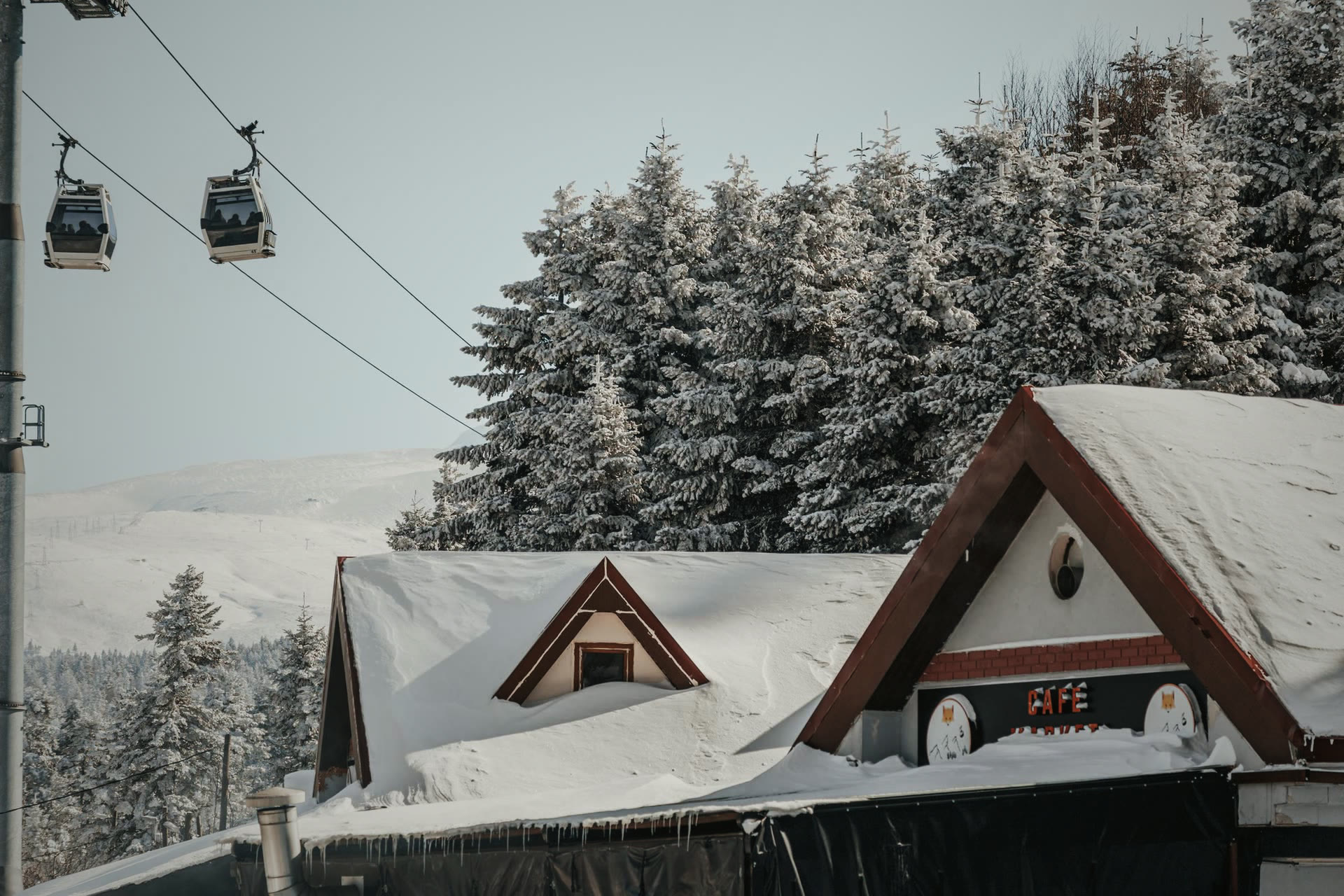
If you want snow you can count on, Istanbul is a good base. Uludağ, the mountain above Bursa, and Kartepe, above Lake Sapanca, are both reachable by road, and the ski season usually runs from late December to March. Bursa itself makes a fine winter day out, with Ottoman mosques, a covered market and the cable car up the mountain. See our guides to skiing in Turkey and a day trip to Bursa from Istanbul.
Come to Istanbul in winter for the city rather than the weather. See the monuments early, warm up in a hammam, eat what the season brings, and keep a car close when the rain comes. You will see a quieter, more personal Istanbul than most visitors ever meet.
Checked by the Megis team on 4 November 2026. Opening hours, rules and seasons change; we confirm every detail again when we plan your trip.
Sources
- Turkish State Meteorological Service mgm.gov.tr
- Hürriyet Daily News hurriyetdailynews.com
- Ministry of Agriculture and Forestry tarimorman.gov.tr
- Daily Sabah dailysabah.com
- Cornucopia magazine cornucopia.net


