


In short
- Most of our clients do not need a visa for Turkey. British, Irish, US, Canadian, Australian, Gulf and almost all EU passport holders can visit visa-free for tourism, as checked on 4 November 2026. Citizens of the Republic of Cyprus are the EU exception and need a visa.
- The usual limit is 90 days in any 180-day period. Russian ordinary passport holders are allowed up to 60 days. Some nationalities count the period differently, so read your own country's line.
- Your passport must outlast your stay by at least 60 days. For a 90-day visit that means 150 days of validity on arrival, and the ministry advises six months.
- If you do need an e-Visa, apply on evisa.gov.tr, the Ministry of Foreign Affairs system. Look-alike sites charge extra or sell visas that are not valid.
Do I need a visa for Turkey? If you hold a British, Irish, American, Canadian, Australian or Gulf passport, or that of almost any EU country, the answer for a holiday is no. Russian citizens are also visa-free, for a shorter period. What catches travellers out is rarely the visa itself: it is a passport that expires too soon, a nanny on a different passport, or a look-alike website that charges for a visa nobody needed.
This guide sets out the rules for the nationalities we meet most often, as checked on the official pages of the Republic of Türkiye Ministry of Foreign Affairs on 4 November 2026. We arrange arrivals, not visas, and the official sources always have the final word.
Do I need a visa for Turkey? The short answer
For most of our clients, Turkey requires no visa for a visit of up to 90 days in any 180-day period. That covers ordinary passport holders from the UK, Ireland, the United States, Canada, Australia, the European Union (except the Republic of Cyprus, whose citizens need a visa) and the six Gulf states. Russian ordinary passport holders may stay up to 60 days without a visa.
Visa-free entry is for tourism and, for most of these countries, business. Work, study or a longer stay need a visa from a Turkish embassy or consulate, or a residence permit. Diplomatic and official passports often follow different rules, so check them separately.
Turkey visa requirements by nationality
The table below covers ordinary passports for a tourist visit, as checked on 4 November 2026 against the Ministry's visa information for foreigners. Rules change, sometimes overnight. The official page, and the officer at passport control, decide.
| Passport | Visa for a tourist visit? | Stay allowed | Notes |
|---|---|---|---|
| United Kingdom | No | 90 days in any 180 | British citizen passports only; BN(O), British Subject and British Protected Person passports need a visa |
| Ireland | No | 90 days in any 180 | Passport required |
| Germany, France, Italy | No | Up to 90 days | National ID card accepted |
| Spain, Netherlands | No | 90 days in any 180 | National ID card accepted |
| United States | No | 90 days in any 180 | No e-Visa needed |
| Canada | No | 90 days in any 180 | No e-Visa needed |
| Australia | No | 90 days in any 180 | Tourism and transit; visa-free since April 2026 |
| Saudi Arabia, UAE, Bahrain, Oman | No | 90 days in any 180 | Ordinary passports |
| Qatar | No | 90 days within six months of first entry | Tourism and transit |
| Kuwait | No | 90 days within 180 | Ordinary and official passports |
| Jordan | No | 90 days within six months of first entry | Tourism and transit |
| Azerbaijan | No | 90 days in any 180 | National ID card accepted |
| Russia | No | Up to 60 days | Tourism and business |
Do UK citizens need a visa for Turkey?
UK citizens do not need a visa for Turkey for a holiday. A British citizen passport allows visits of up to 90 days in any 180-day period, and the UK Foreign Office's entry requirements for Turkey confirm the same for business visits. The FCDO asks for a passport with an expiry date at least 150 days after the day you arrive, and at least one blank page.
Other British passport types are treated differently. Holders of British National (Overseas), British Subject and British Protected Person passports need a visa, and can only obtain it from a Turkish embassy or consulate. Irish citizens are visa-free for 90 days in any 180 on the same basis as British citizens.
Do US citizens need a visa for Turkey?
US citizens do not need a visa for Turkey, and no longer need an e-Visa either. The Ministry of Foreign Affairs allows ordinary US passport holders to stay for up to 90 days in any 180-day period; the exemption has applied since the start of 2024. Canadian citizens have the same rule. Australians joined them in April 2026, visa-free for tourism and transit for 90 days in any 180.
Some commercial visa sites still tell Americans and Australians to buy an e-Visa. They are out of date.
Do Saudi, Emirati and Qatari citizens need a visa for Turkey?
Citizens of all six Gulf states can visit Turkey without a visa. Saudi, Emirati, Bahraini and Omani ordinary passport holders may stay for up to 90 days in any 180-day period. Kuwaiti citizens may stay 90 days within 180 days, and Qatari citizens 90 days within six months of their first entry, for tourism and transit.
The rest of the household is another matter. A nanny, driver or assistant travelling with a Gulf family may hold an Indian, Pakistani, Philippine or other passport that does need a visa. A Gulf residence permit does not change that: the rules follow the passport.
Do Russian citizens need a visa for Turkey?
Russian citizens do not need a visa for Turkey for tourism or business. Ordinary Russian passport holders may stay for up to 60 days, according to the Ministry of Foreign Affairs. For a longer stay, such as a season on the coast, look into a residence permit before the 60 days run out.
Can EU citizens enter Turkey with an ID card?
Many EU citizens can enter Turkey with a national identity card instead of a passport. The Ministry lists 21 countries whose citizens may do so, among them Germany, France, Italy, Spain, the Netherlands, Belgium, Greece, Portugal, Poland and Romania, as well as Switzerland and Azerbaijan. Irish citizens are not on the list and need a passport.
Before you fly on an ID card, ask your airline whether it accepts one for your route, because carriers apply their own document rules at check-in.
How long can you stay, and how long must your passport be valid?
The 90 days in 180 rule
The 90 days in 180 rule is a rolling window. On any day you are in Turkey, count back 180 days: the days you spent in the country during that period must not add up to more than 90. Two long visits close together can break the rule. Overstaying can lead to a fine and a ban on returning, so keep a note of your dates.
Passport validity for Turkey
Turkish law requires a passport valid for at least 60 days beyond the stay you are allowed. For a 90-day visa-free visit, that means 150 days of validity on arrival. The Ministry also advises a passport valid for six months from arrival, and that is the rule we suggest. Citizens entering on a national ID card, and diplomatic and official passport holders, are exempt from the 60-day rule.
What is the official Turkey e-Visa website?
The official Turkey e-Visa website is www.evisa.gov.tr, run by the Ministry of Foreign Affairs. For nationalities that need a visa and are eligible, the application takes a few minutes online, a fee applies, and the visa is valid only for tourism or commerce. For a small number of nationalities, the Ministry's visa page also names one other authorised platform, so read your own country's line.
Look-alike sites are a real problem. Turkish embassies and the UK travel industry have warned for years about sites that charge extra fees for the same application, or sell documents that are not valid visas. If the address is not evisa.gov.tr, do not enter your card details.
When the e-Visa is not available: a sticker visa
Some travellers cannot use the e-Visa: those coming to work or study, certain nationalities, and holders of some travel documents. They apply for a sticker visa through a Turkish embassy or consulate before travelling, and the Ministry runs an online pre-application system for this. Allow plenty of time before your flight.
Children, staff and mixed-passport families
Every child needs their own passport, with the same validity as an adult's. The UK Foreign Office notes that a child with British and Turkish nationality may need to show permission from the Turkish parent when leaving Turkey. If a child travels with only one parent, or with grandparents, a signed letter of consent from the absent parent is a sensible precaution.
For household staff, check each passport on the Ministry's page. Indian, Pakistani and Philippine ordinary passport holders, for example, can obtain an e-Visa only if they hold a valid Schengen, US, UK or Irish visa or residence permit; otherwise they need a sticker visa from a consulate. Start this early.
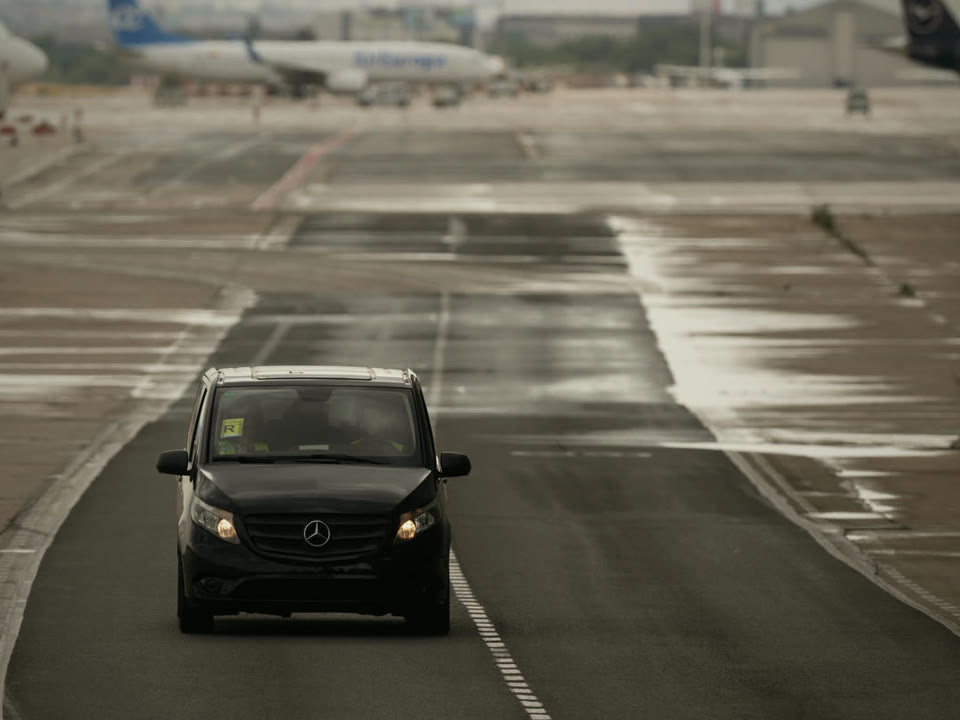
Megis is not a visa agency and does not apply for visas. What we do is point each traveller to the official requirement, remind you of anything to apply for yourselves on evisa.gov.tr, and arrange everything after the aircraft door: fast-track through passport control, a car from our airport transfers, and interpreters or assistants through Personal Support. Our guides to the Istanbul airport VIP service, an Istanbul layover and whether Istanbul is safe cover the rest of the arrival.
Checked by the Megis team on 4 November 2026. Opening hours, rules and seasons change; we confirm every detail again when we plan your trip.
Sources
- Republic of Türkiye Ministry of Foreign Affairs mfa.gov.tr
- GOV.UK, UK government gov.uk
- Hürriyet Daily News hurriyetdailynews.com


